20
May
The Old Country: Blue Over Gold
Alive In The World

Views: 0
Views: 0
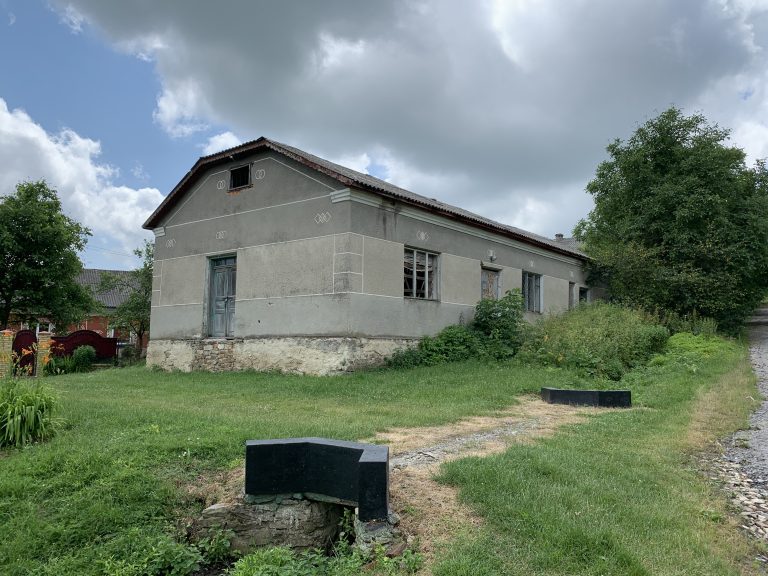
“How can you be in two places at once when you’re not anywhere at all”?
—The Firesign Theatre..
Isn’t that what “Dreaming” is – being cognitively in separate spaces at the same Time – “Anywhere” and “Nowhere” at once? Life then, like the song lyric, may indeed be a Dream, infinitely intertwined along a continuum of separate realities. How many of us right now at this instant are alive on this planet; eight billions? Life then – literally “Between The Forceps and the Stone” – might be a projection of eight billion multiple realities radiating from eight billion human bi-locating sources; finite creatures interlinked via rhizomatic networks along finite timespans, dreaming versions of the ultimate non-sequitur: Immortality.
Read more
Views: 0
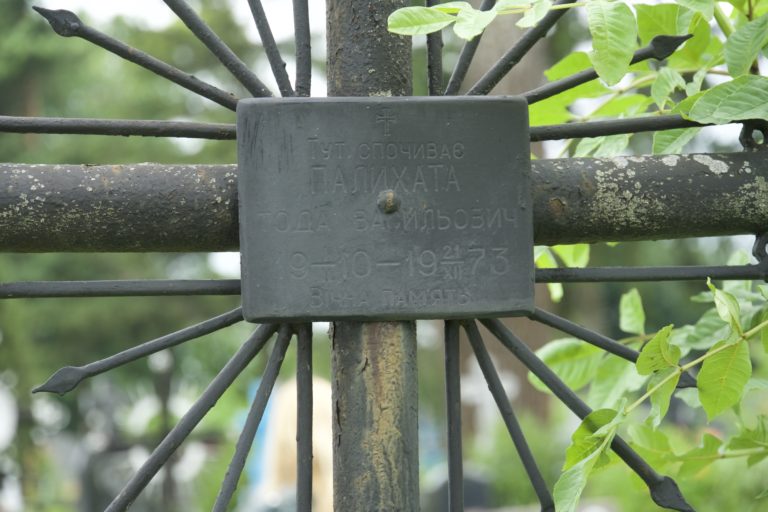
Upon reaching senescense, we tend to look back on our lives and begin to ask questions of ourselves. Questions we might have asked of our forebears when they were alive – not that they would have come up with any answers either. Questions like: “where did we come from?”; “what were our forebears like?”; “who were they?”; “what did they do for a living?”; “who are we?”; and ultimately; “what is that?”Read more
Views: 0
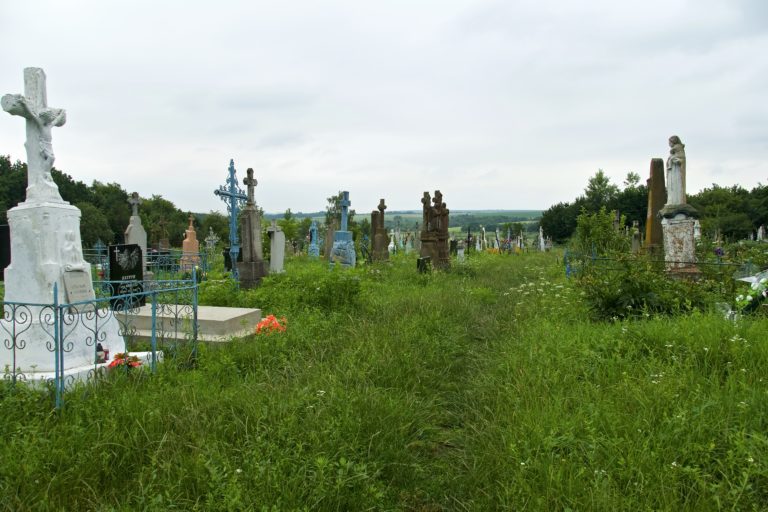
Here’s a word association experiment — or narrowing the scope a bit we might call it an Ukrainian Haiku since it encapsulates a few uniquely Ukrainian terms however decidedly non-traditional in structure:
Now there is an expression that was once popular among the precariat in the Detroit area where I grew up: “back to the salt mines” which, since Detroit was built over a large glacial deposit of salt, was a local way of saying “time to get your ass back to work”, associating one’s job with the hard work of mining salt. Of course those salt mines are closed now and those job are gone, along with millions of others sacrificed on the altar of neoliberal capitalism.
Read more
Views: 0
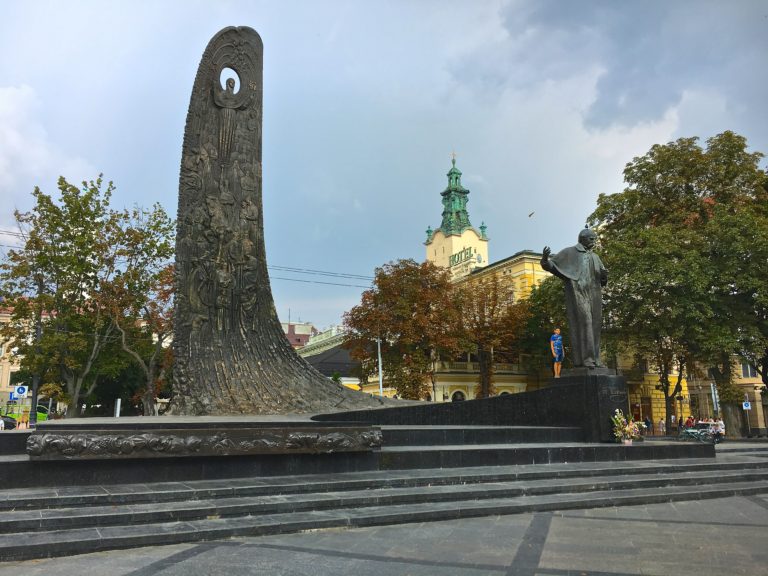
Monument to Taras Shevchenko, Lviv.
Having survived the first two days of my insane itinerary, my guide Diana Borysenko had scheduled us for two relatively relaxing days in Lviv consisting of various historical, museum and church tours, a vist to several unique cafes for coffee and confections, the sampling of local cuisine, and an evening at the Opera House to attend a “gala” presentation of the inaugural season of the LvivMozArt Festival.
Read more
Views: 0
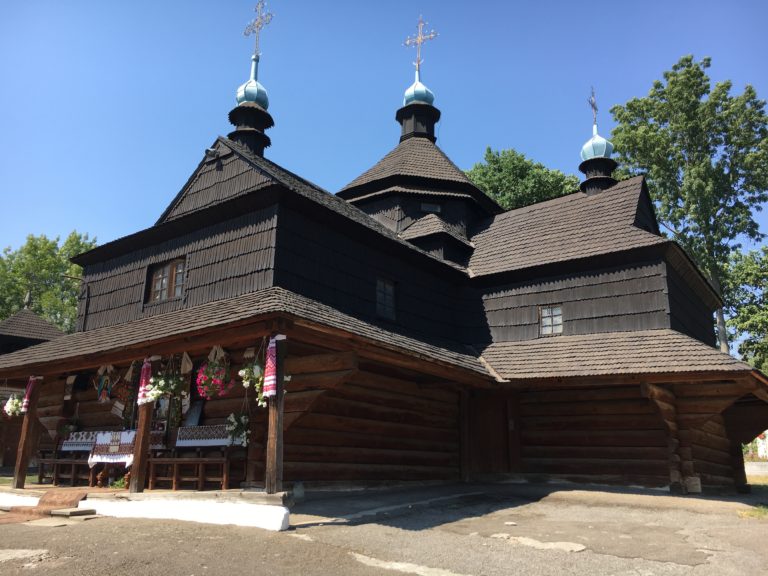
Well if the itinerary for Day One was ridiculous — four towns, 350 kilometers or more round trip, and roads that were in places more like obstacle courses — Day Two would prove to be insane. We’re talking about a tour of Sub-Carpathian Ukraine –The Old Country: Ivano-Frankivsk Oblast to be more precise – that involves at least 400 kilometers of driving in one day — a weekend day at that — smack in the middle of August which is high tourist season for this part of the world – not the smartest of plans.Read more
Views: 0
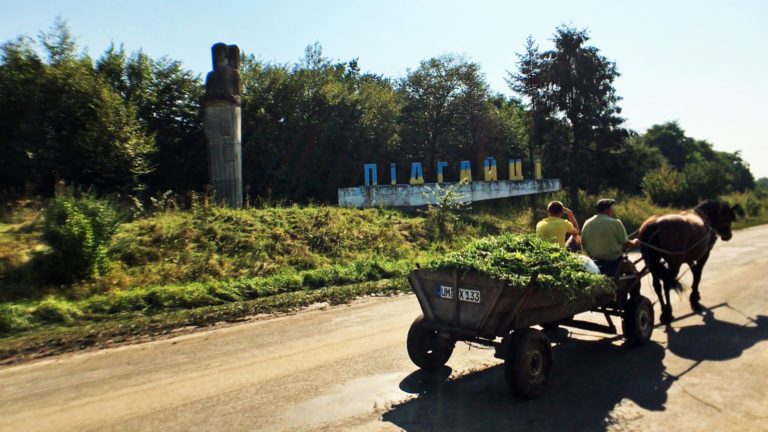
The earliest recollection I have of hearing the ethnic appellation Ukrainian applied to our family name Babij was in the Fall Quarter of my first year of college during the Kennedy Era when I received a telephone call from a woman (whose name unfortunately I do not recall) inviting me to a gathering of Ukrainian-descendant students to be held at an apartment in the campus married housing complex. The woman went on to describe what typically went on during such occasions: an exchange of tales relating to family lineage and history; performances of traditional folk songs and dance; picnics where participants cooked and ate traditional food like beet soup, pedaheh (pirogi or varenyky) dumplings and stuffed cabbage called holubtsi or “pigs in a blanket”, similar to those I’d tasted before that had been made by Grandma Anna; and Sunday excursions to the local Orthodox church for Mass.
Read more
Views: 0
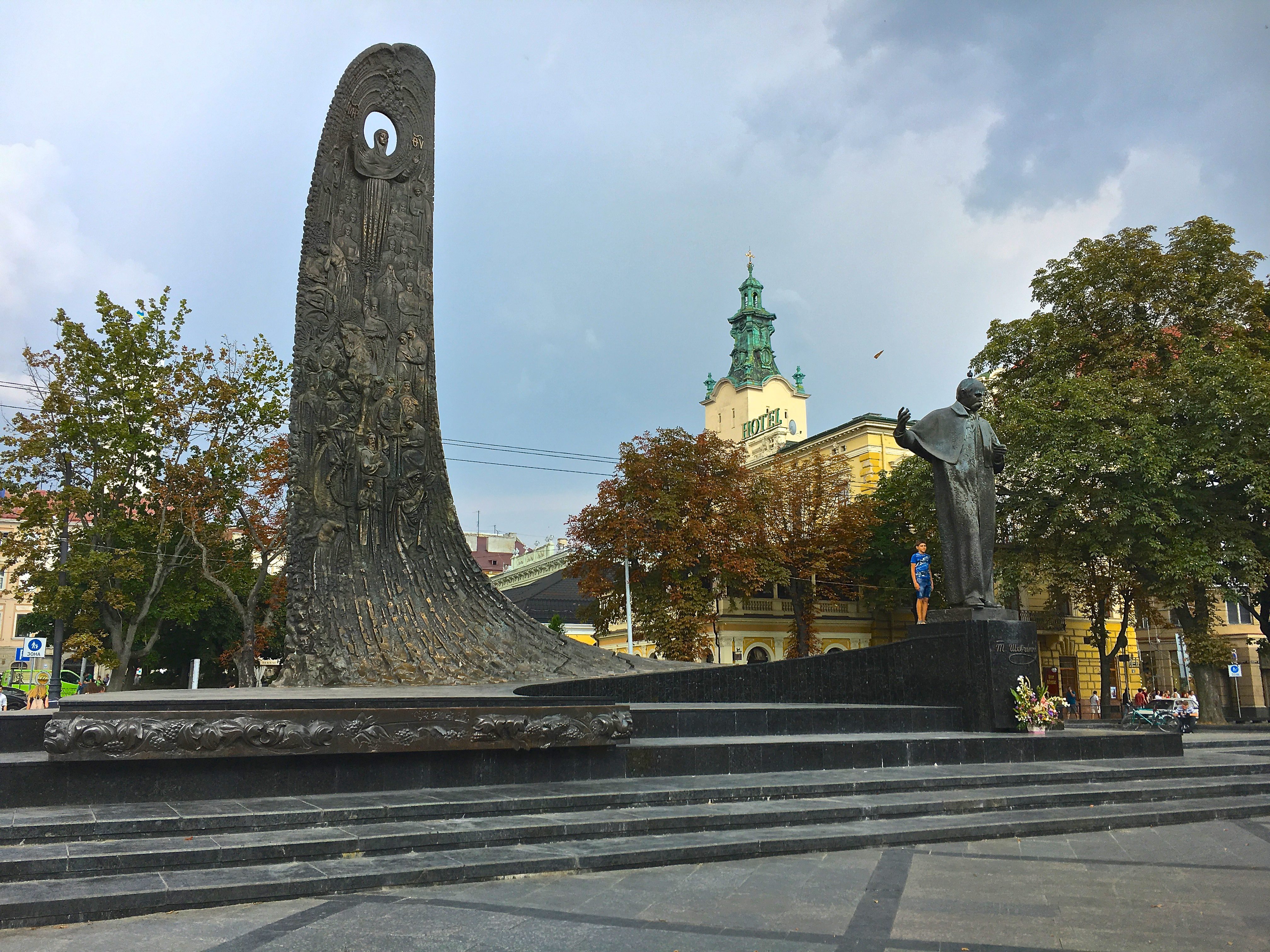 The Old Country: Lviv (16,779)
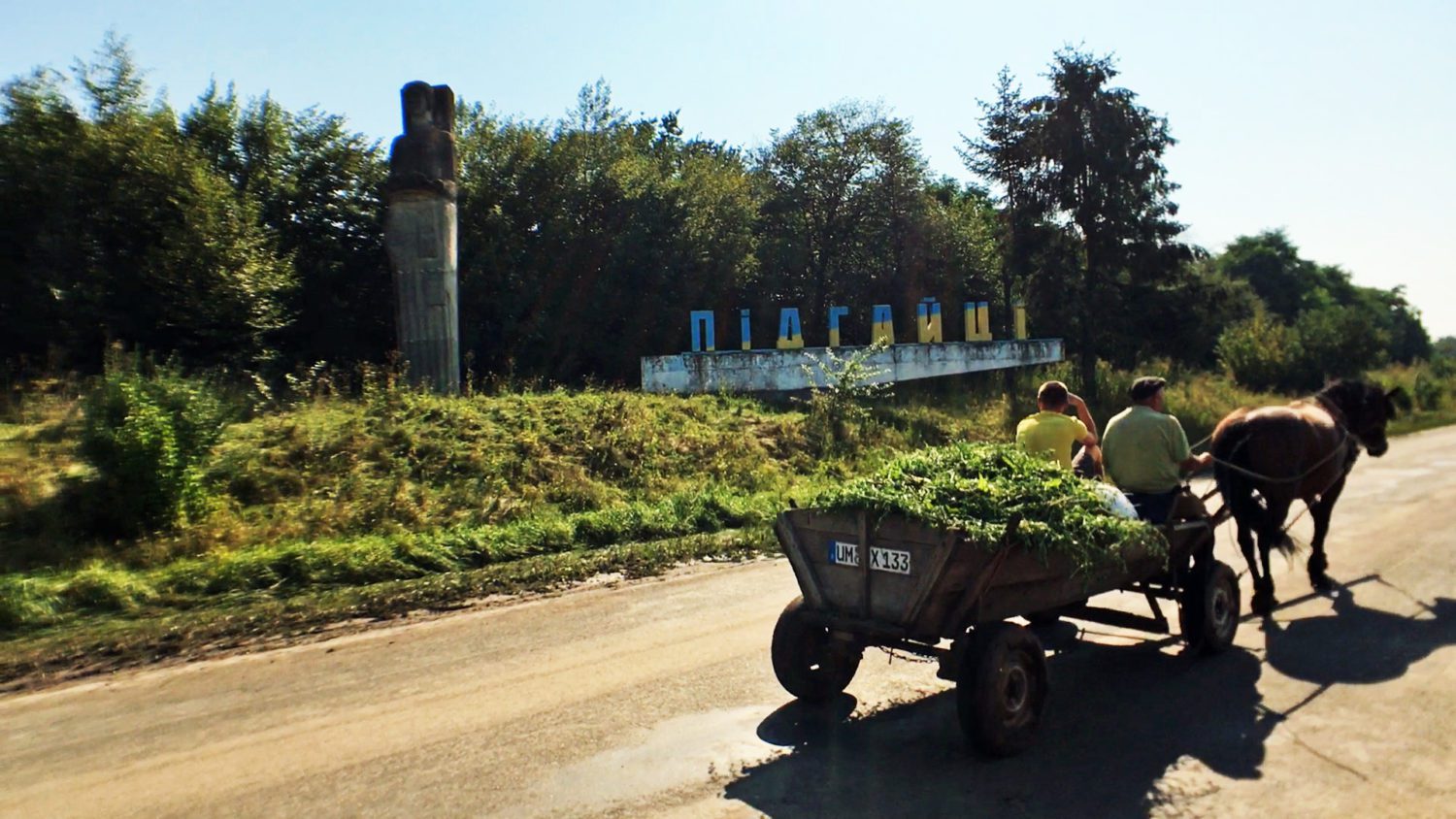 The Old Country: Ternopil Oblast (16,709)
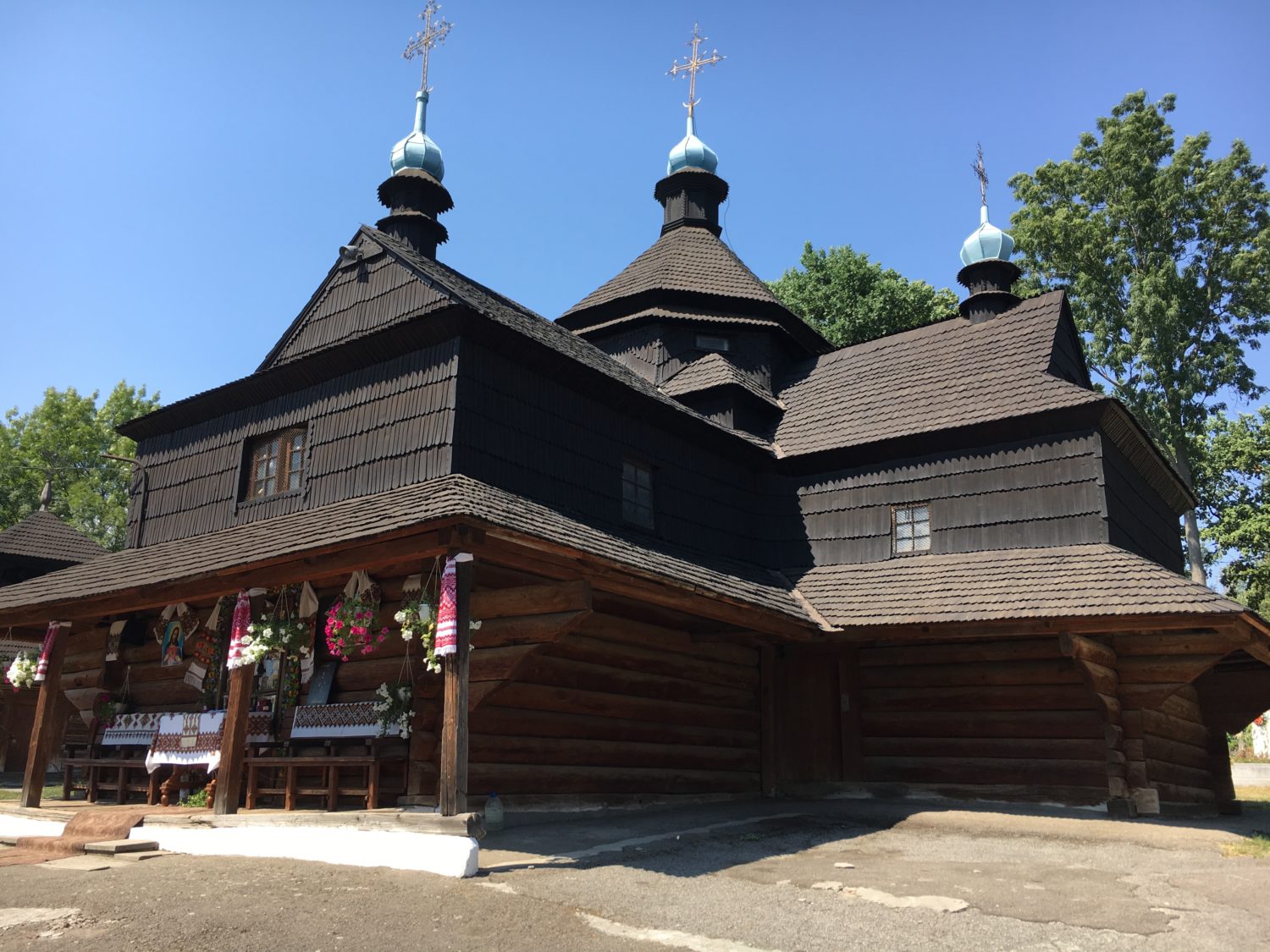 The Old Country: Ivano-Frankivsk Oblast (16,113)
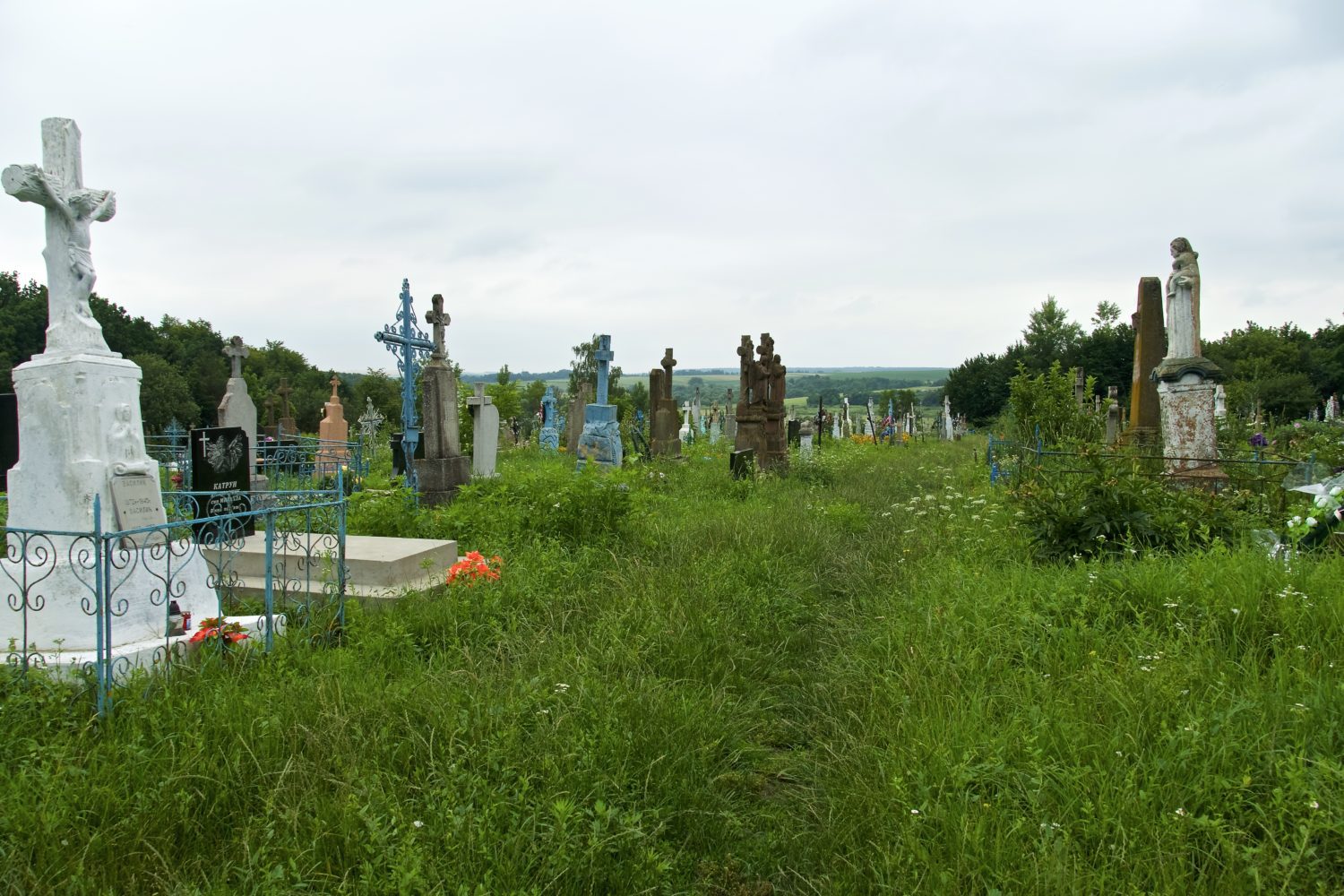 The Old Country: Salt Of The Earth (15,213)
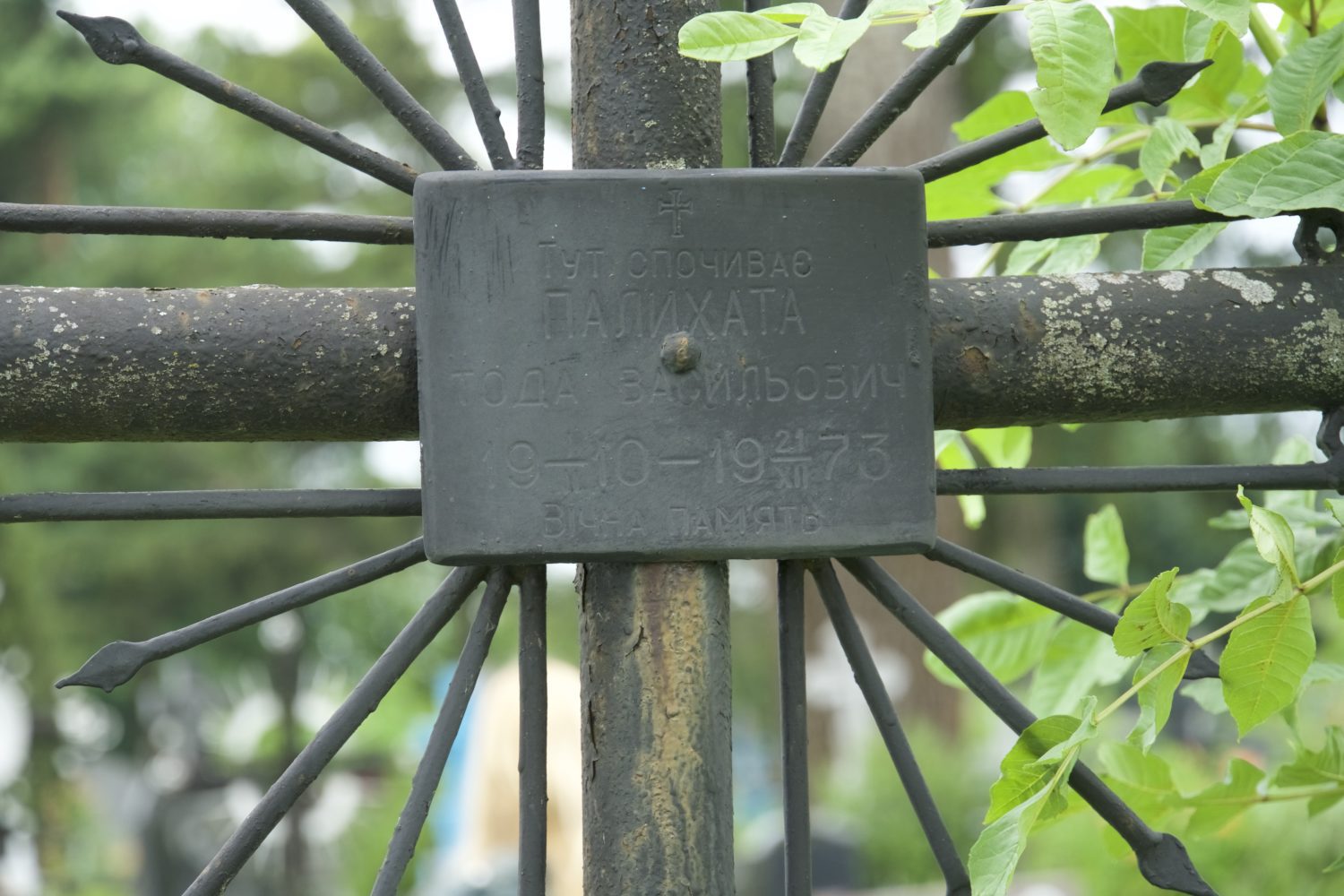 The Old Country: In Nomine Patris (12,020)